Running a commercial property or retail operation in Los Angeles means dealing with a permitting framework that moves on its own schedule. The Los Angeles Department of Building and Safety requires detailed structural and electrical plans before any exterior sign goes up, and that is before you factor in seismic anchoring requirements, neighborhood design review overlays, or the UV degradation that turns a flimsy sign into a faded liability within two seasons. Most sign shops hand you a proof and a price. We handle the rest. Getting the permit, the engineering calculations, and the installation done correctly is a different conversation.
Signmakers has been fabricating and installing commercial signage in this city since 1993. Over those 30 years, we have built a five-step process: site review, custom design, in-house fabrication, professional installation, and ongoing maintenance. We built this approach specifically because too many projects fall apart in the handoff between stages. When every step runs through the same shop, nothing gets lost between the design and the install.
Up to $10,000: the maximum rebate offered by municipal programs like Upland’s Town Center Commercial Rehabilitation for approved facade improvements, which explicitly include the supply and installation of signs and awnings (per the FEMA Sign Safety Report).
Take the first step toward a compliant, high-impact storefront: request a quote to schedule a thorough site review.
In California, a commercial sign attached to a building exterior is a structural element, not just a marketing fixture. Wall signs and exterior lighting fixtures hung from a building facade are classified as overhead hazards under municipal seismic safety programs because they can fall onto pedestrians or adjacent structures during a seismic event (per the NIST Seismic Hazard Study). LADBS structural standards require that sign anchoring connect to the building’s primary framing, not just the cladding, and that engineering calculations back the permit filing.
We design every installation to meet those standards from the first draft. We do not cut corners. For properties in historic districts or high-density corridors, local design review adds another layer of approval; see our guide to downtown Los Angeles signage options for what that process typically involves.
"*" indicates required fields
We do not outsource our work.
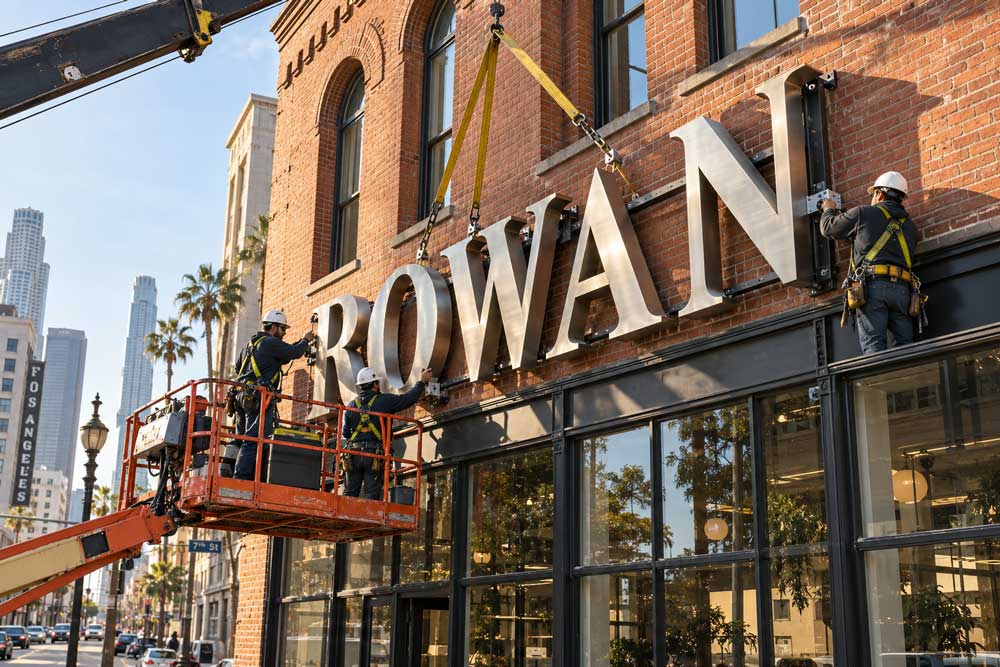
Southern California’s collision of intense UV radiation, smog particulates, and coastal salt air degrades exterior fixtures faster than most climates. Rust-resistant aluminum, UV-protected acrylics, and automotive-grade paints are not premium upgrades here: they are the baseline for any sign expected to hold its appearance and structural integrity past the first year in the harsh local climate. Outdoor business signs built from engineered materials function as a 24/7 marketing asset rather than a wasted expense.
For businesses that need high-visibility night-time presence, we design custom neon signs that hold up under continuous operation in outdoor conditions. For office lobbies, corporate campuses, and premium storefronts, our custom metal signs project the kind of permanence that cheaper fabrication methods can’t replicate.
Operating out of our shop at 3652 Main St, our team has spent 30 years earning the kind of neighborhood-level knowledge that does not come from a code book. We know which districts trigger design review, which structural configurations require supplemental engineering, and where inspectors focus their attention on exterior sign submissions. We navigate the details.
Municipal funding adds another layer of complexity worth understanding. Under certain Community Development Block Grant-funded improvement programs, sign and awning installation labor costs must not exceed 13% of the total contract price to remain eligible for rebates (per the FEMA Sign Safety Report). Separately, programs like Fullerton’s seismic loan guidelines permit funding for structural work that includes strengthening projecting sign boards to mitigate unsafe conditions (per the FEMA Sign Safety Report). Knowing these thresholds before you commit to a scope can make a material difference in what gets reimbursed.
Kris Herbert, owner of The Gym Venice, put it this way after working with us on their storefront signage:
“Please come by the place and see for yourself the work Signmakers does at The Gym Venice. I went to them with an idea, and they worked with me through a number of designs until it was perfect and better than I envisioned. My signage is the first thing seen when you’re walking, biking, or driving by, and it attracts and lures you in with a curious excitement. Signmakers hit it out of the park for me. I look forward to working with them for my next project!”
Ready to discuss your design and structural requirements? Get in touch with Signmakers to schedule an initial consultation.
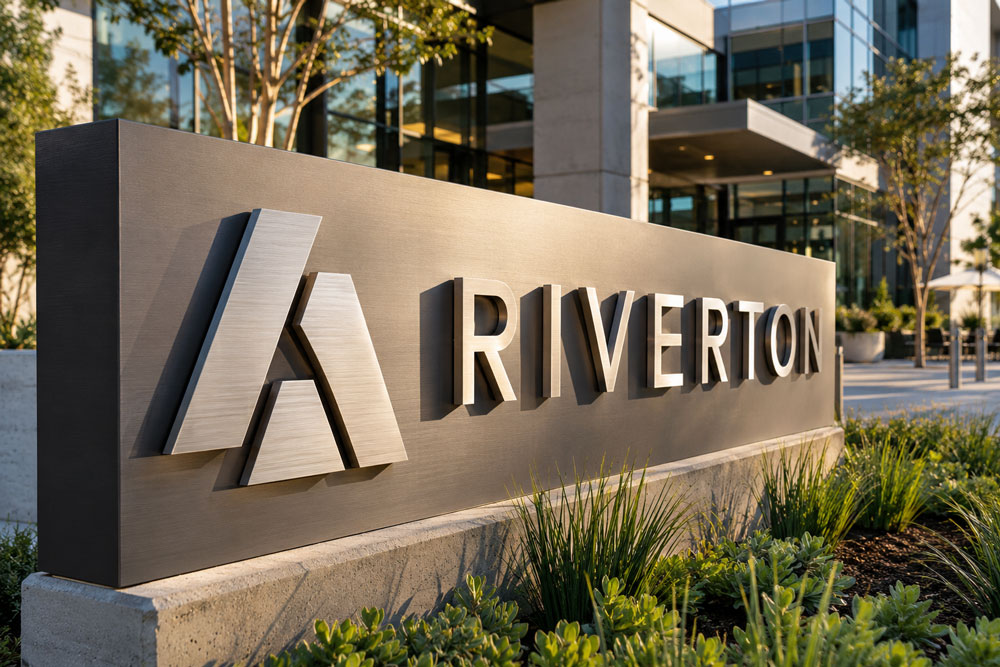
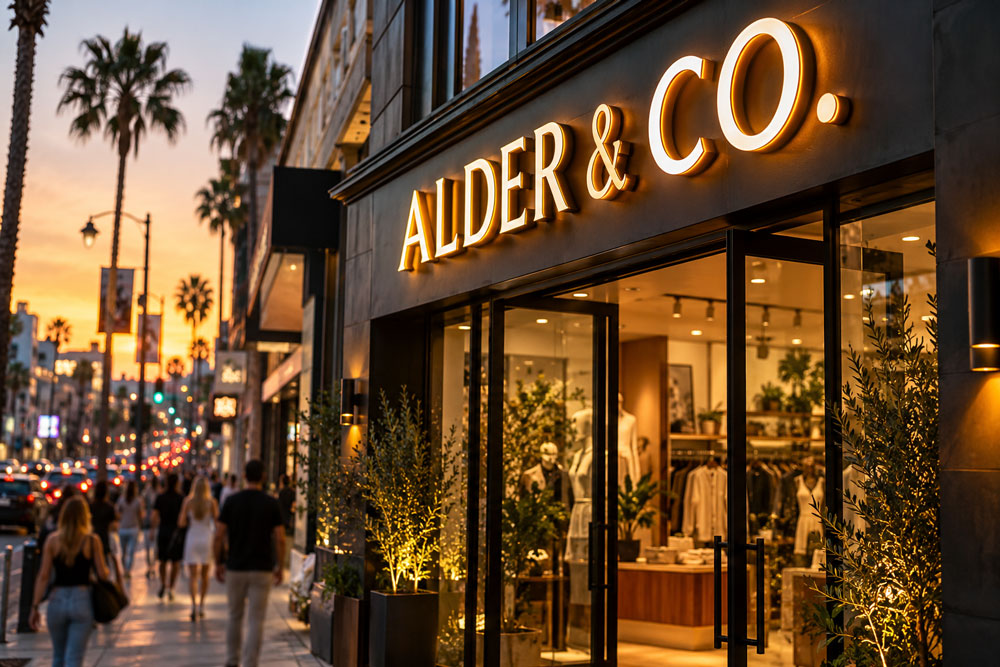
A properly engineered sign is a capital asset that earns its cost through foot traffic, brand recognition, and longevity. Unpermitted or poorly anchored signs carry a different kind of return: fines from LADBS, disputes with landlords over structural liability, or outright removal orders. The gap between a compliant installation and a non-compliant one is not just aesthetic; it is financial and legal exposure that multiplies over time. Do not take that risk.
13%: the maximum allowable labor cost as a percentage of the total contract price for sign and awning installation to remain eligible for certain CDBG-funded municipal rehabilitation rebates (per the FEMA Sign Safety Report).
We are available round the clock to help you with any queries all you need to do is come to us and give us the opportunity to help your business with our quirky neon signs! We are a brand of experts and have spent several years in the field to know just what you are looking for!
Let’s connect to give your brand a new look and impress every customer who walks in or looks at your business from afar! Together we can take your business to the very top! Contact us today to learn more!
LADBS requires detailed structural and electrical plans before issuing a sign permit. Signmakers handles all permit filings and engineering calculations so you don’t have to navigate that process alone.
Improperly secured projecting sign boards and wall signs can pose significant safety hazards during seismic events (per the FEMA Sign Safety Report). Meeting LADBS seismic anchoring standards means your sign is connected to the building’s structural frame, not just surface-mounted, which protects pedestrians and limits your liability exposure.
UV-resistant acrylics, rust-resistant aluminum, and automotive-grade paints are critical for withstanding the intensity of Southern California sun, smog, and coastal salt air without fading, cracking, or corroding within a few years of installation.
Some local municipal programs offer meaningful financial support. Upland’s Town Center Commercial Rehabilitation program, for example, offers rebates of up to $10,000 for approved facade improvements that explicitly include the supply and installation of signs and awnings (per the FEMA Sign Safety Report). Eligibility conditions apply, including the 13% labor cost threshold noted above.
We manage a complete five-step process: site review, custom design, in-house fabrication, professional installation, and ongoing maintenance. Every stage runs through our shop, which is how we ensure nothing gets lost between the design and the install.
Visit our shop at 3652 Main St, Monday through Friday between 7 AM and 4 PM, or call us directly at (323) 930-1300 to speak with our team. When you’re ready to build, request a quote to discuss how we can make your commercial storefront stand out on the boulevard. Let’s get started.
For over 30 years, we have been making custom signs in Los Angeles. Business owners, event planners, sole proprietors, architects, and designers trust us to create a custom signage solution to attract customers and increase the visibility of their brand.
Copyright © 2026 Signmakers, All rights reserved.